

When choosing a supplier, price, quality and lead times are no longer the only things evaluated. We evaluate something harder to prove: that every kilo of fiber can tell its full story: where it comes from, how it was processed, and what impact it left along the way.
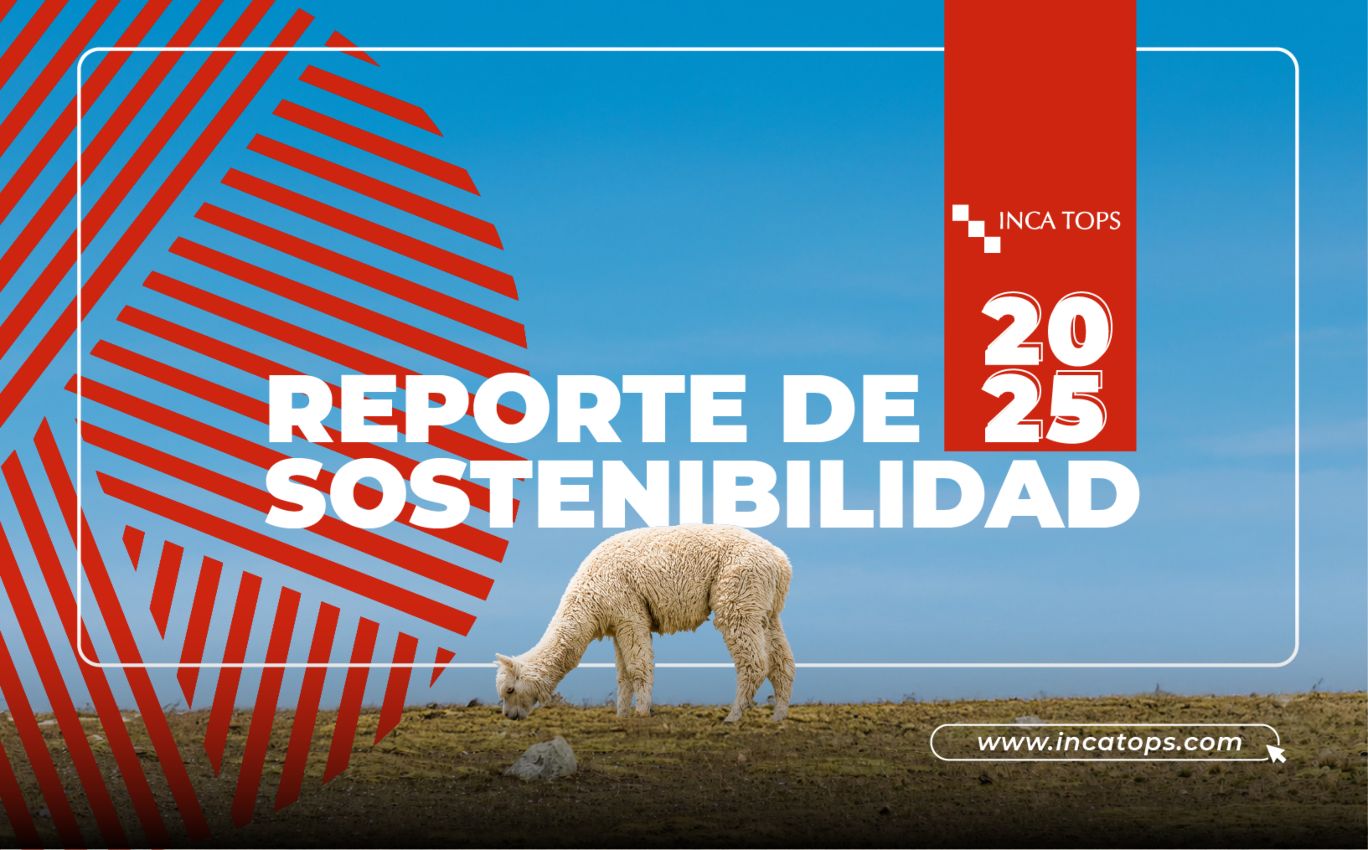
The Inca Tops 2025 Sustainability Report, prepared under GRI standards, answers that demand with verifiable numbers. This is a walk through its chapters and what they mean for those who work with our yarns.
The report's first chapter presents an integrated value chain, from communities to global clients, with commercial presence in Europe, the Americas and Asia and participation in international trade fairs such as Pitti Filati and Milano Unica.
The backing is our third party audited certifications: OEKO-TEX® STeP, OEKO-TEX® Standard 100, GOTS, RAS, RWS, RMS and NATIVA Precious Fiber, covering everything from product safety to animal welfare.
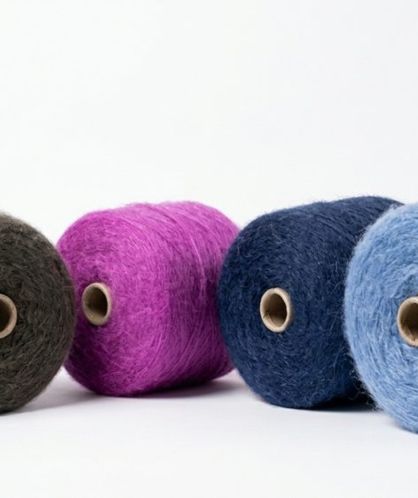
For the buyer, that compliance package already comes included in every cone.
Sustainability begins with how the company is governed: 100% of operations were assessed for corruption risks, and 89% of suppliers are national, strengthening local value chains. It is a measurable fact.
And when your clients ask you to prove the reliability of your supply chain, this is the backing you can show.
Few textile companies in the world have their own research center. Pacomarca develops applied science in animal welfare, genetics and traceability: more than 25 partner universities and institutes, 60,000 alpacas reached through productive strengthening programs, the consolidation of the RAS model and the expansion of the PacoKipu ecosystem.
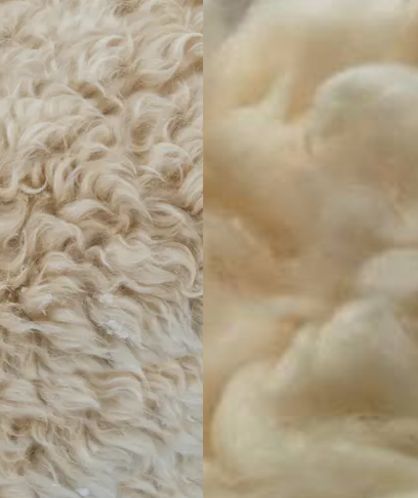
From this science come exclusive fibers such as Alpaca 16 and Imperial Alpaca, the finest in the world, and Black Alpaca, natural undyed colors.
Quality does not depend on a lucky harvest: it depends on decades of research.
The environmental chapter documents the energy transition underway: the 4 plants run on natural gas, complemented by hydroelectric power and more than 1,200 solar panels for water heating, and the carbon footprint is measured annually across all sites as a climate management tool. Added to this are water management (100% of effluents treated) and the waste valorization that supports the -54%.
This model was recognized in 2025 with the Business Creativity Award, category Environmental Impact – Innovation in Processes, for the Zamácola Plant project, consolidated as the world's most sustainable alpaca plant.
Under the Ayllu Culture approach, collaboration, respect and a sense of community, talent management is integrated with ESG principles.
A figure that stands out in the industry: the workforce is made up of 51.5% women and 48.5% men, reflecting balanced participation across all occupational levels.
Social investment strengthens the very origin of the fiber: the RAS program channeled S/ 283,902 to alpaca farming communities, complemented by the donation of alpacas to more than 800 families (genetic improvement and productivity), the donation of yarn to more than 100 families (strengthening the local economy) and the Greenhouse project for more than 100 families.
It is not isolated philanthropy: it is investment in the first link of the chain.
The report closes with the roadmap to 2030: a more sustainable, innovative and traceable textile industry.
If you buy Inca Tops yarns, directly or through ESSENTIALS, our Stock Service, every result works for you:
Sustainability is no longer the last chapter of the catalog. It is the reason your clients will choose your garment and you, your fiber.