


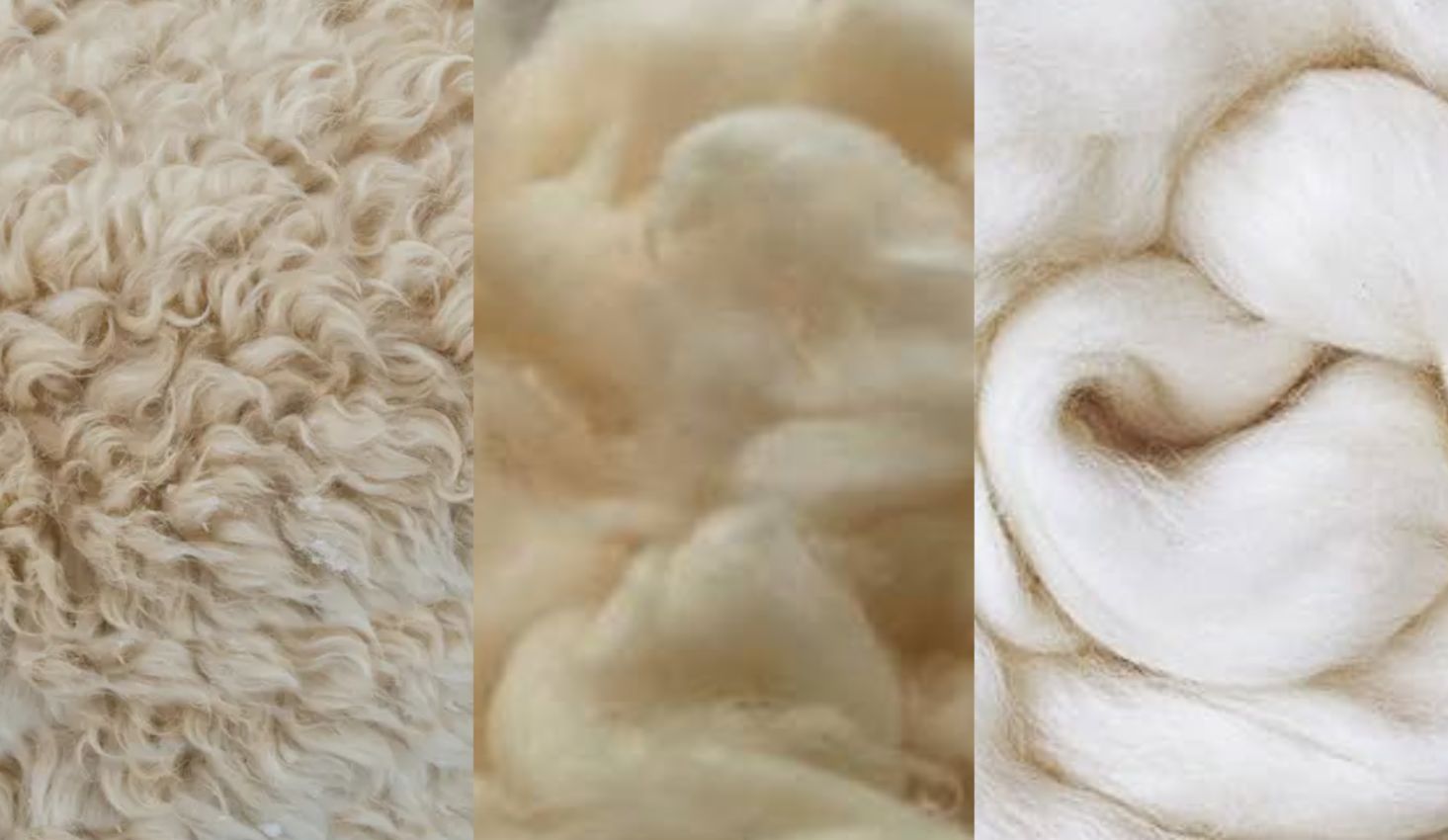
Three animals. Three completely different types of cold. And everything else follows from there.
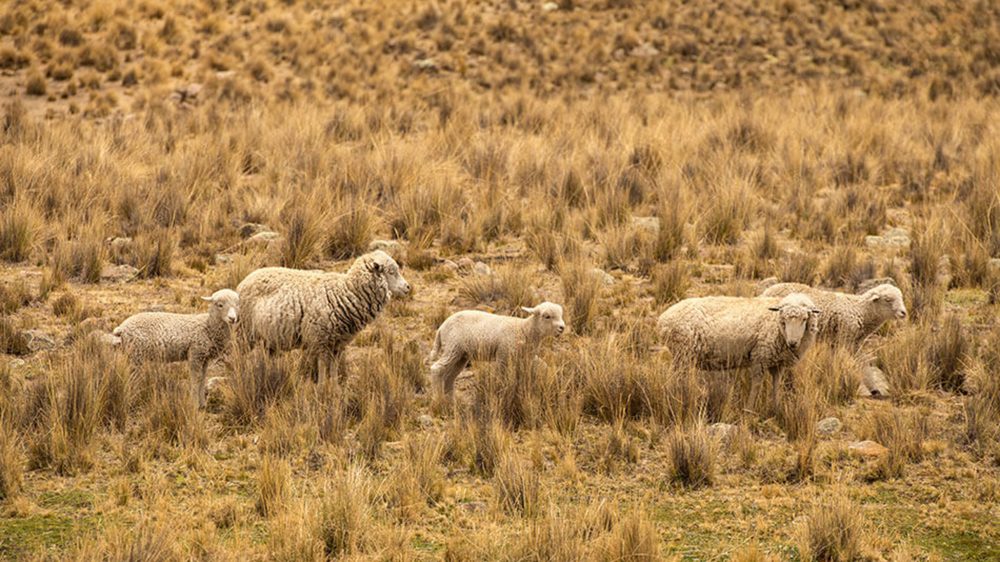
The alpaca evolved between 3,800 and 5,000 meters above sea level, on a high plateau where the sun burns during the day and the temperature plummets the moment night falls. The cashmere goat, on the steppes of Mongolia and northern China, where winters are brutal and dry. The merino sheep, on the plains of Australia and New Zealand, with wet winters and distinct seasons.
Each one developed its fiber to survive a specific climate. That is why none of them are interchangeable and why comparing micron counts in a table is not enough. The right question is not which one is better, but which one solves the problem your collection needs to solve.
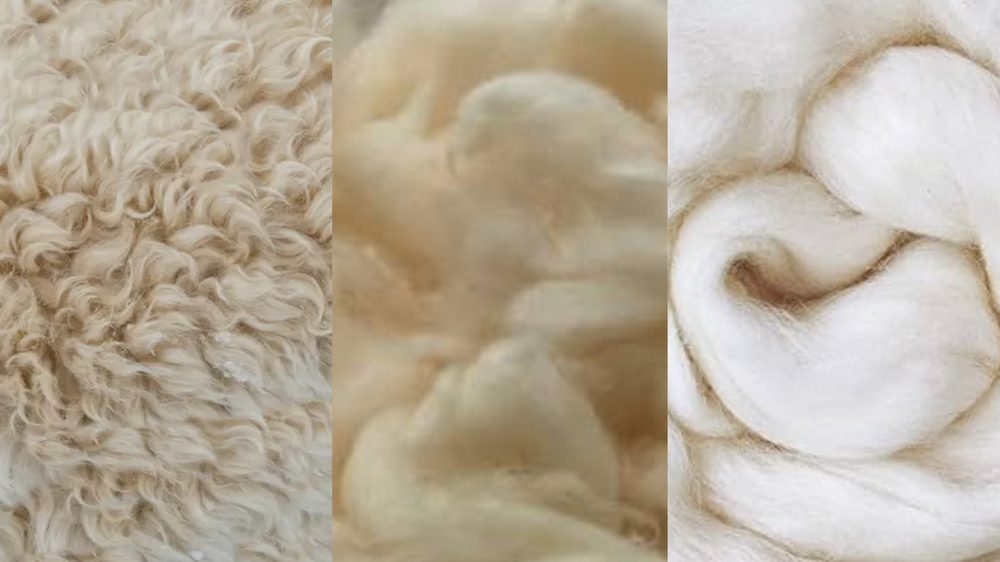
This comparison is written to answer exactly that. And to make it genuinely useful, it includes a section that almost no supplier ever publishes: where alpaca is NOT the best option.
If you have spent one winter in Lima and another in Arequipa, you already intuitively understand fiber thermoregulation.
Lima's cold is humid. Eight degrees with drizzle gets into your bones and no sweater ever seems like enough. Arequipa's cold is dry and high-altitude: you can be freezing in the shade and sweating in the sun two minutes later, the same day, wearing the same garment.
Alpaca evolved for exactly the second scenario. Its fiber has a semi-hollow structure that forces it to do something few fibers can: perform across a wide temperature range, not at a single point. It doesn't insulate like a thermal blanket, it regulates. That is why an alpaca garment works in the cold morning and keeps working at midday without you needing to take it off.
That is the property most underestimated when comparing fibers in a catalog and the one the end consumer notices most when they actually wear the garment.
Origin is not a romantic detail. It determines availability, price, traceability, and reputational risk.
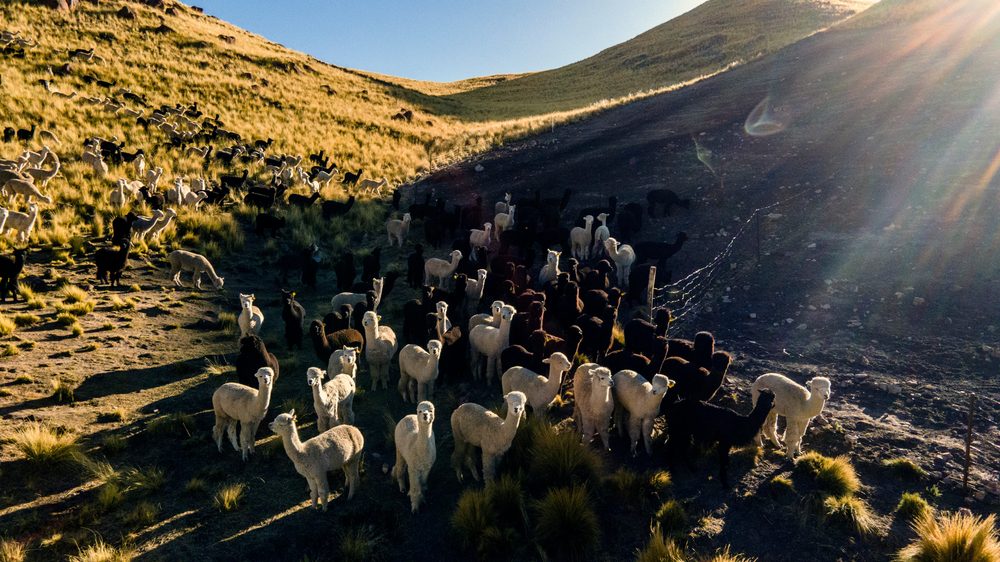
Alpaca. A South American camelid from the Peruvian Andes, between 3,800 and 5,000 meters above sea level. Shorn once a year. Production is managed primarily by Andean communities and vertically integrated companies such as Inca Tops, which operates its own genetic center at Pacomarca, guaranteeing traceability from the animal to the cone.
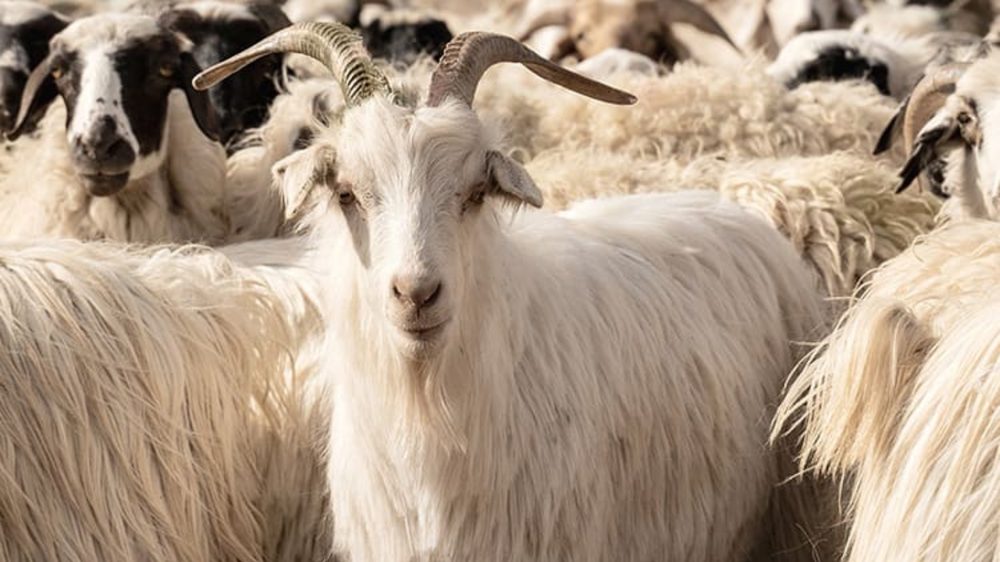
Cashmere. Sourced from the cashmere goat, raised primarily in Mongolia, China, Iran, and Afghanistan. The fiber is obtained by hand-combing the animal during its natural molt, which physically limits how much can be produced each year. The global supply of cashmere with verifiable traceability is limited, and the price shifts significantly between seasons.
Merino Wool. Sourced from the merino sheep, raised primarily in Australia, New Zealand, South Africa, and Argentina. It is the highest-volume fiber in the premium segment, with the most developed and certified supply chain of the three and the most predictable in terms of price and availability.
| Alpaca | Cashmere | Merino | |
| Typical micron count | 18 – 22 (Baby Alpaca) | From 14 in top grades | 19.5 – 21 |
| Softness | Very high | The highest | High, finish-dependent |
| Pilling resistance | High | Low | Medium |
| Elasticity and recovery | Medium | Medium | The highest |
| Price stability | High | Volatile | The highest |
| Traceability | Verifiable to the animal | Difficult to verify | High, with established standards |
| Thermoregulation | Wide range | Thermal insulation | Good, with moisture management |
Cashmere wins. With diameters reaching 14 microns in its finest grades, it is the softest natural fiber on the market and there is no point in arguing otherwise.
But there is a commercial nuance that matters more than the technical data: Baby Alpaca at 18 to 22 microns delivers a softness that the vast majority of end consumers cannot distinguish from standard cashmere, especially in fine yarns or with a brushed finish. The difference exists in the laboratory; on the hanger, for the non-specialist buyer, it is practically imperceptible.
21-micron merino is soft, but its softness depends far more on the finishing process. Without anti-prickling treatment it can itch on sensitive skin, which limits its use in garments worn in direct contact with the skin without an intermediate layer.
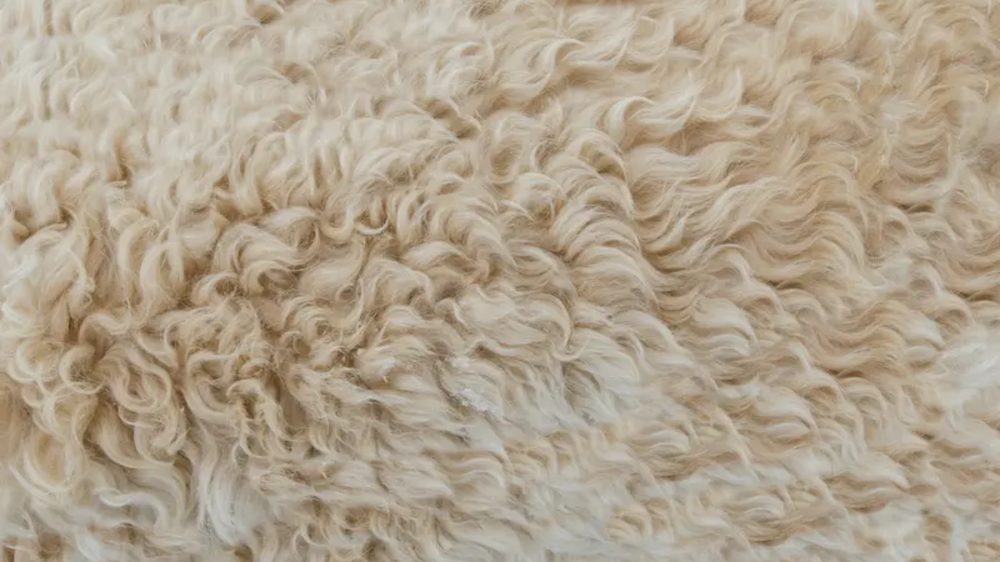
This is where cashmere pays the price for its fineness. Its short, fine fiber pills from the very first uses, a problem that directly undermines the perception of quality and drives up return rates.
Alpaca, with its longer fiber and absence of pronounced scales, resists pilling significantly better. Merino falls in the middle, and improves considerably when blended with polyamide.
If your garment is going to see heavy use, this point matters more than the micron count.
Cashmere is the most price-volatile of the three fibers. Its production is geographically concentrated in areas of climatic and geopolitical instability, generating fluctuations of up to 30% between seasons. For brands planning collections 12 to 18 months in advance, that volatility is a real operational risk.
Peruvian alpaca has a more stable supply chain, with integrated producers offering predictable pricing and permanent stock. Merino is the most predictable of the three, with the most developed global market and the greatest available supply.
Cashmere faces growing scrutiny over its environmental impact. The overgrazing of cashmere goats in Mongolia and China has contributed to documented grassland degradation and desertification. Furthermore, the traceability of commercial cashmere is frequently difficult to verify, which represents a reputational risk for brands with public sustainability commitments.
Alpaca has a considerably lower environmental footprint than cashmere and, in many respects, also lower than merino. It grazes without pulling out the roots of Andean grass: its teeth cut only the tips of the plants, allowing vegetation to regenerate naturally. Its feet have soft pads that do not disturb the soil or root system, keeping the ecosystem intact.
Cashmere goats require at least twice as much dry grass as an alpaca to produce one kilogram of clean fiber, in addition to contributing to the documented degradation of grasslands in Mongolia and China.
Its natural habitat sits above 3,800 meters above sea level, where water comes from natural sources and the land is not suitable for agriculture, meaning alpaca does not compete with food production or deplete water resources intended for human consumption.
Australian and New Zealand merino carries a high level of certification, with standards such as ZQ and RWS guaranteeing animal welfare and sustainable practices.
This is the section that makes the rest of the article worth reading.
If you are looking for maximum softness and nothing else matters, choose cashmere. Fourteen microns are fourteen microns. If your product sells exclusively on feel and price is not a constraint, there is no argument to be made.
If you need elasticity and shape recovery, choose merino. The crimp of merino gives it a shape memory that alpaca does not have on its own. A pure alpaca garment tends to stretch out with wear. We are not saying this out of modesty, we are saying it because it is the reason our own yarns incorporate merino. Nuna Brushed contains 5% merino precisely for that reason.
If your priority is volume and absolute predictability, choose merino. It has the largest market, the most developed supply chain, and the greatest certified supply available. For large-scale production runs with interchangeable suppliers, it is the most straightforward option.
And if your brand competes on price alone, none of the three is your fiber. All three are premium inputs. If cost per kilo is your primary decision variable, this article is not for you and we are glad you find that out now rather than after a production run.
All with permanent stock and a minimum order of 1 kg.
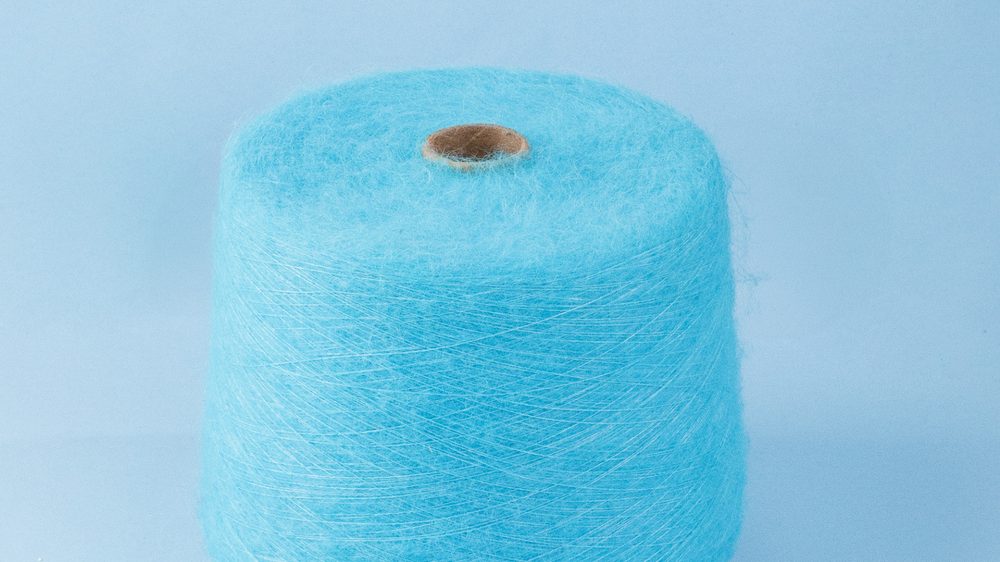
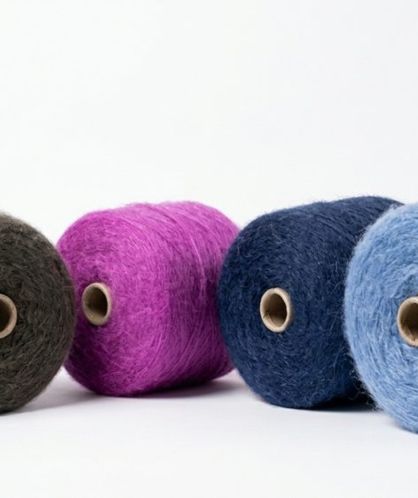
60% Baby Alpaca / 5% Merino Wool (21 mic.) / 35% Recycled Polyamide · Nm 1/15.6 · Gauge 10gg · 27 colors. The most versatile brushed yarn in the portfolio. Premium softness, visual volume, and a sustainability argument in a single input. The alpaca provides the feel, the merino the shape memory, and the recycled polyamide the industrial strength.
Get Nuna by visiting our website
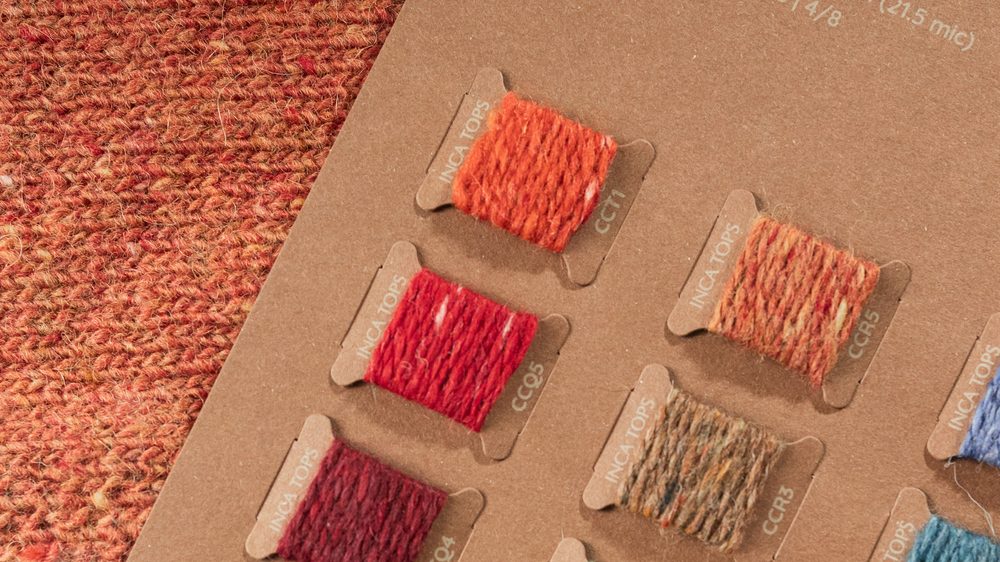
60% Alpaca / 40% Merino Wool (21.5 mic.) · Nm 1/4 · Gauges 5gg – 7gg. The carded yarn with a tweed effect. The woolen spun process generates natural neps that communicate character and craftsmanship without any additional processes.
Get Andes Tweed Woolen Spun by visiting our website
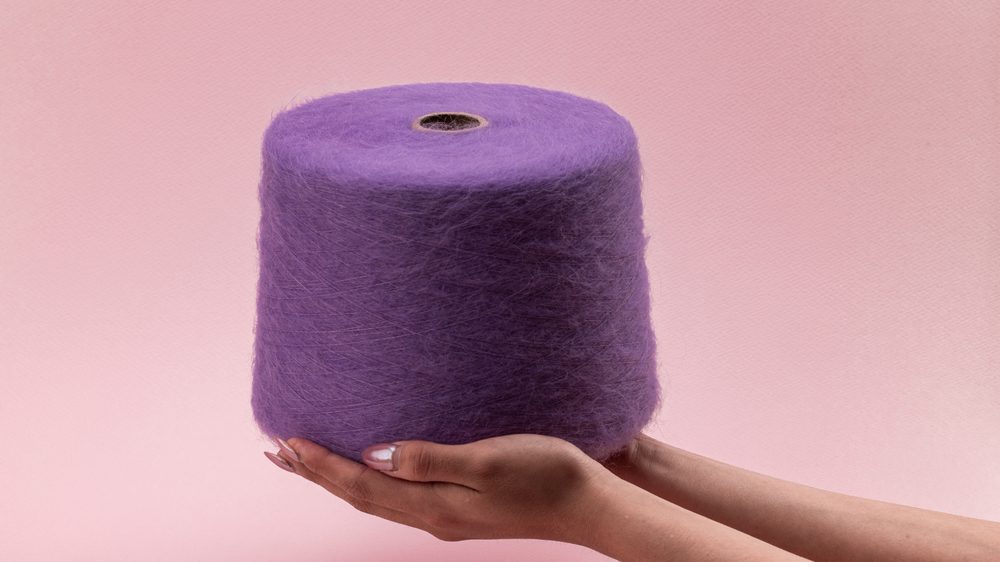
78% Suri Alpaca / 22% Recycled Polyamide · Nm 1/9.4 · Gauges 5gg – 7gg · 14 colors. Suri Alpaca is the rarest and most lustrous alpaca variety. Here, its silky luster and fluid drape are combined with Recycled Polyamide to achieve consistent industrial performance.
Get Suri Air by visiting our website
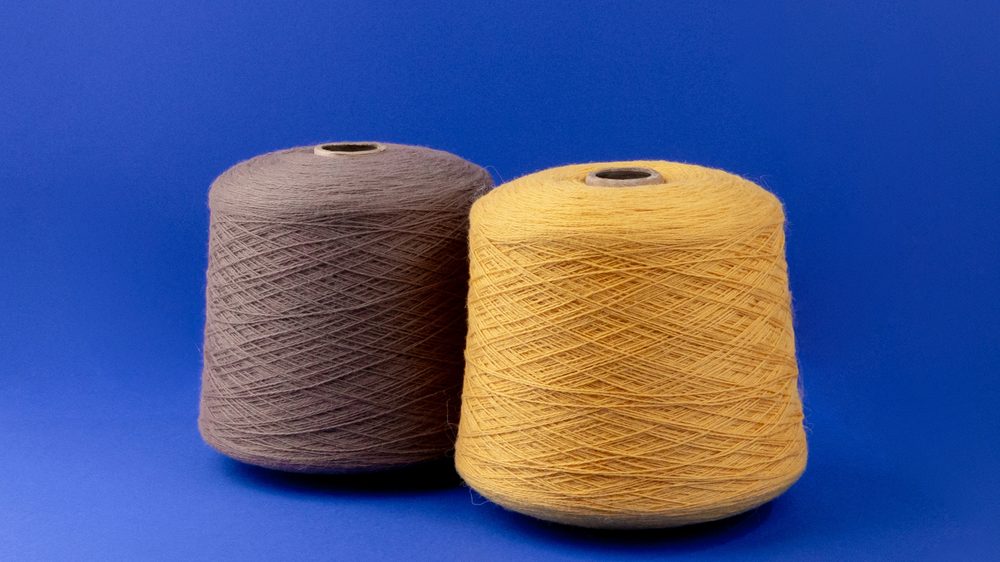
Baby Alpaca / Merino Wool. The carded yarn that combines the properties of both fibers for large-scale commercial winter collections. The alpaca and merino blend in a carded process delivers softness, volume, and warmth with the industrial performance demanded by higher-volume production runs.
Get Alpawool Light by visiting our website
Is it true that alpaca doesn't itch?
For the most part, yes. The absence of pronounced scales and the micron count of Baby Alpaca make it comfortable in direct contact with the skin. The itching sensation depends on micron count, not on the species: any fiber above a certain diameter can cause it.
Which fiber performs best in everyday garments?
Alpaca, due to its pilling resistance. In high-rotation garments that difference shows up before any other property does.
Why blend alpaca with merino or polyamide?
Because each fiber contributes what the other lacks. Merino provides elasticity and shape memory; recycled polyamide provides tensile strength and dimensional stability. Blends do not dilute the noble fiber, they make it producible at scale.
My client requires animal welfare certification. What options do I have?
Both Peruvian alpaca from integrated producers and Australian and New Zealand merino carry recognized standards. Cashmere is the fiber that presents the most difficulty when it comes to verifying its supply chain.
Can I request samples before committing to a production run?
Yes. The 1 kg minimum order allows you to knit a real sample on your own machine before scaling up, which is the only serious way to evaluate a yarn.
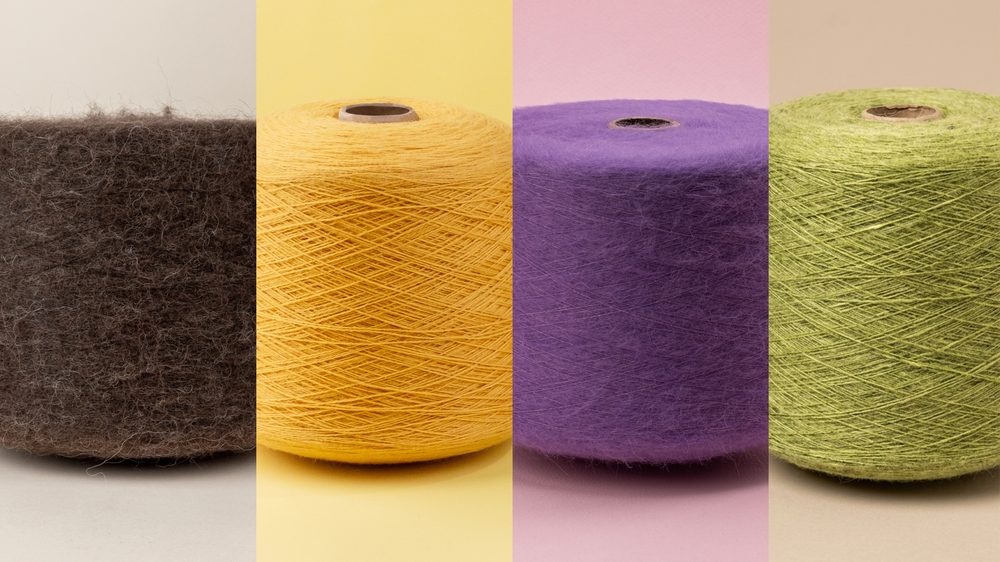
Alpaca, cashmere, and merino do not compete for the same place. Each one was born from a different cold and solved a different problem.
Cashmere wins on pure softness. Merino wins on elasticity, predictability, and volume. Alpaca wins on durability, thermoregulation, and verifiable traceability — and reaches a level of softness that, for most consumers, is indistinguishable from cashmere at a considerably more stable cost.
The right decision is not the one that picks the best fiber. It is the one that aligns the material's properties with what your collection needs, with your target market, and with what your production chain can sustain.
If after reading this you believe alpaca is your fiber, let's talk. And if you believe it isn't, let's talk too — we would rather tell you upfront than sell you something that won't work for you.
Select which categories of cookies you want to allow. Strictly necessary cookies cannot be disabled because they are essential for the site to work. You can change your decision at any time from the "Cookie settings" link in the footer.
They enable navigation, keep your session, the selected language, form security and remember your cookie preferences. The site does not work properly without them.
| Name | Provider | Duration |
|---|---|---|
| inca_tops_session | incatops.com | Session (max. 120 minutes) |
| XSRF-TOKEN | incatops.com | Session (max. 120 minutes) |
| incatops_cookie_consent | incatops.com | 180 days |
They let us measure how many people visit the site and how they use it (page views, visit time, traffic source) in order to improve it. They are provided by Google Analytics 4 and are only enabled if you accept them.
| Name | Provider | Duration |
|---|---|---|
| _ga | Google LLC (Google Analytics) | 2 years |
| _ga_83BRY52FMD | Google LLC (Google Analytics) | 2 years |
They are used to show personalized advertising and measure campaigns. This site does not currently install cookies in this category; if they are added in the future, they will only be enabled with your consent.